The team's tips
- The best times: from March to June and from October to December
- The climate in Namibia mainly alternates between a dry period and a wetter period, with different effects depending on the regions.
- The ideal time for safaris: when water becomes scarce, water points naturally attract wildlife. This is often when the sightings are the most memorable.
- Along the Atlantic coast, the air is cooler and morning fog is common, creating a striking contrast with the interior of the country.
Best Time to Visit Namibia: When Should You Go?
Choosing the best time to visit Namibia depends on what you want to experience during your journey. The weather influences much more than just temperatures: it shapes the landscapes, the light, driving conditions, camping comfort and even your chances of memorable safari experiences.
For most travelers, two periods stand out as ideal times for a Namibia road trip:
☀️ September to October: dry landscapes and excellent wildlife viewing
After several dry months, Namibia’s landscapes are at their most open and dramatic. With less vegetation and animals gathering around waterholes, this period offers excellent conditions for safari and exploring the country’s vast scenery.
🌿 March to June: mild temperatures and changing landscapes
After the rainy season, Namibia becomes greener and the temperatures are generally more comfortable. This makes it a great period for long drives, outdoor activities and discovering the country at a more relaxed pace.
Both periods have their own unique charm, and the best choice depends on the type of adventure you are looking for.
Namibia Climate: 3 Regions with Different Weather Conditions
Before choosing your travel dates, it's helpful to keep in mind that Namibia is experienced differently in various places. During a road trip, you'll typically pass through three major regions, each with its own pace and conditions.
The central plateau (Windhoek and the main routes)
The Central Highlands of Namibia are often the starting point of a Namibia road trip and a natural connection between the country’s different regions. From here, major roads link Windhoek with the desert landscapes in the south, the wildlife areas in the north, and the Atlantic coast.
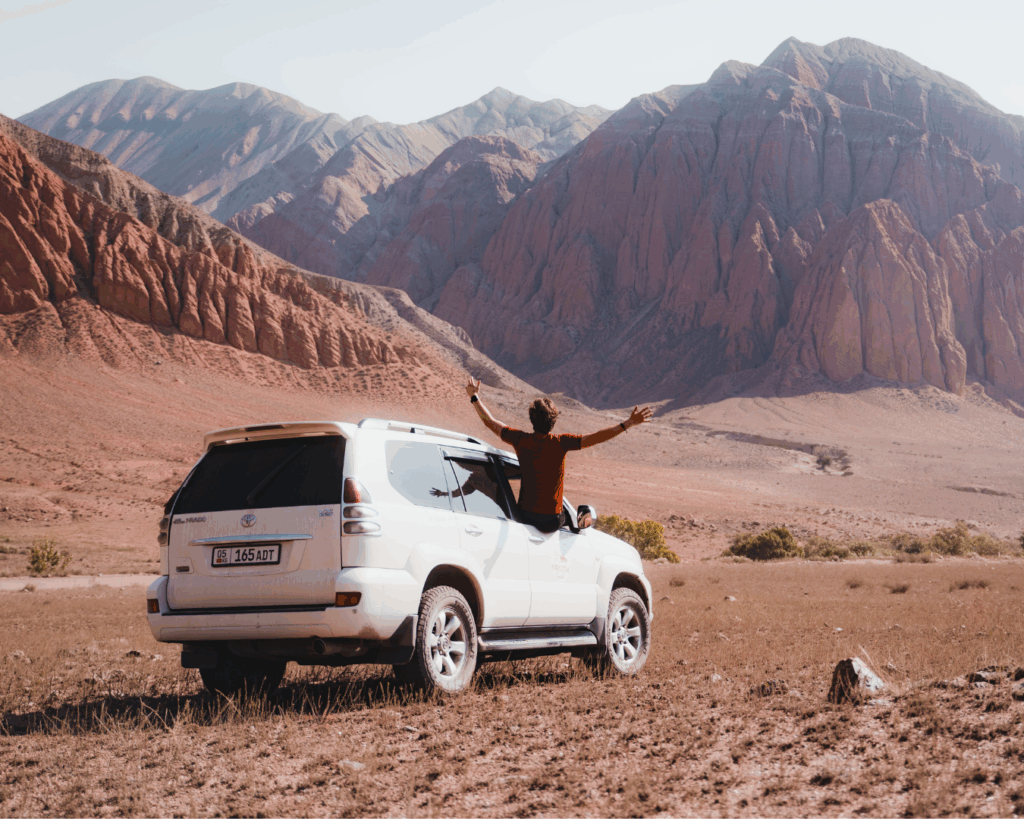
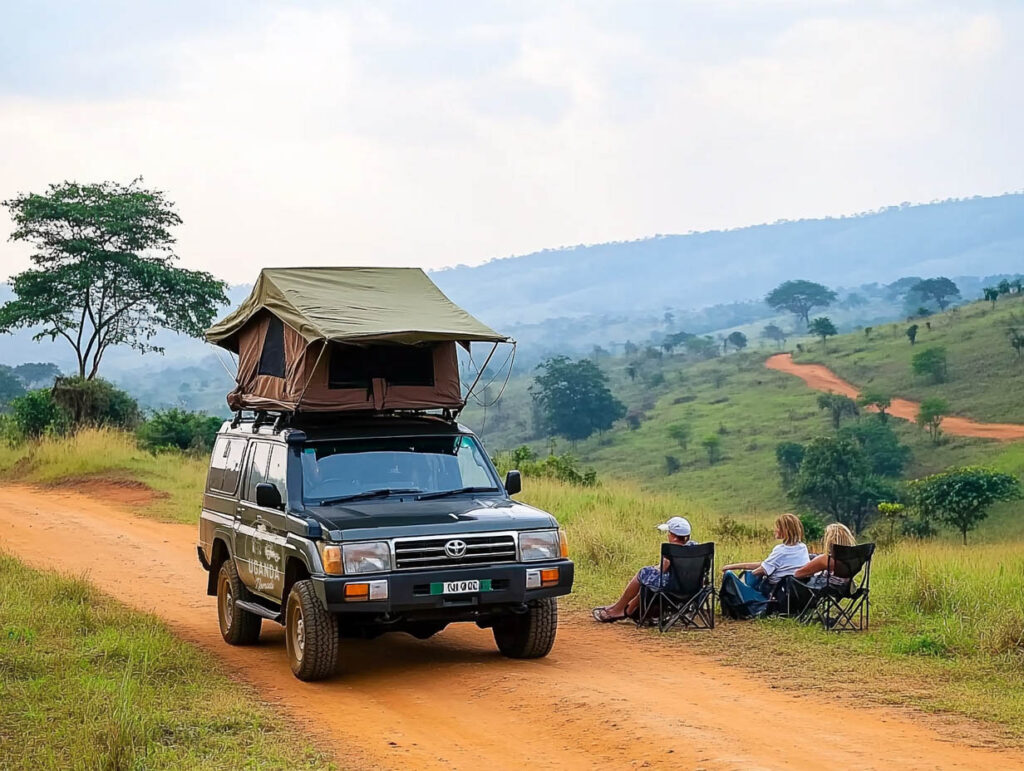
Due to its higher altitude, this region has a unique climate with warm, sunny days and noticeably cooler evenings. During a 4x4 road trip through Namibia, this temperature difference is especially pleasant after long days of driving, offering comfortable conditions to relax and camp under the stars.
The Central Highlands also benefit from relatively stable weather conditions throughout much of the year. This makes the region an ideal transition point between different stages of your journey and a comfortable stop while exploring Namibia’s diverse landscapes.

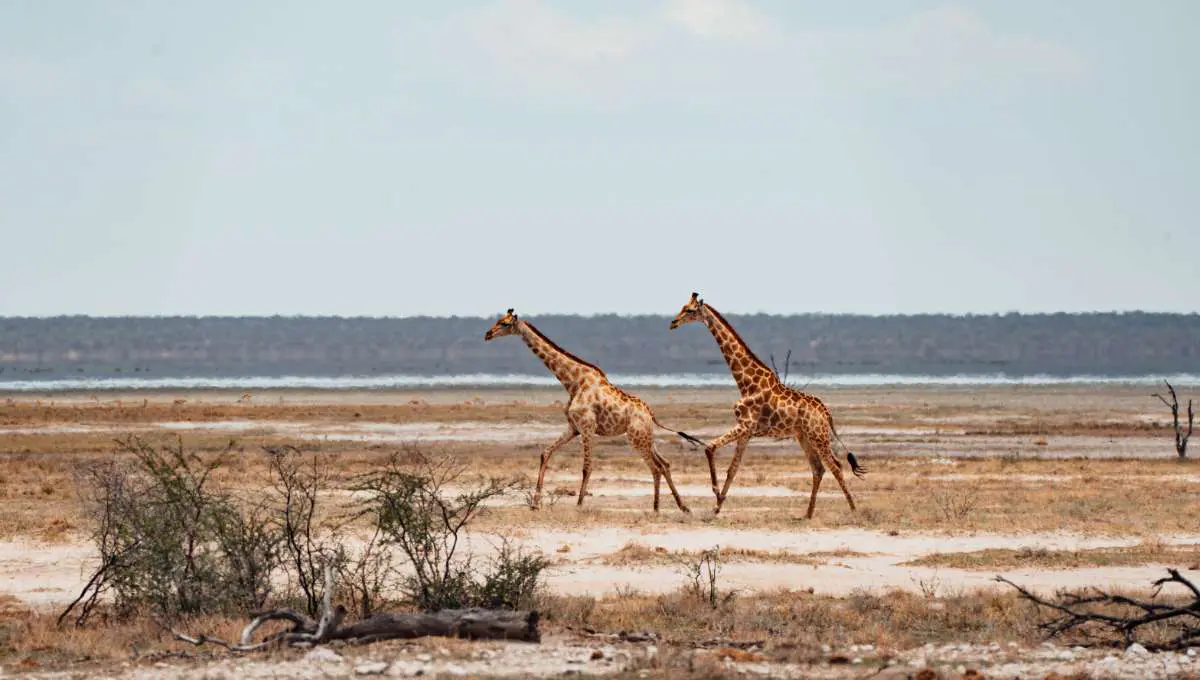
The north (Etosha and the big safaris)
In the north of Namibia, wildlife becomes one of the highlights of the journey. The vast open plains and natural waterholes of this region, especially around Etosha National Park, create some of the best conditions for experiencing a true Namibia safari.
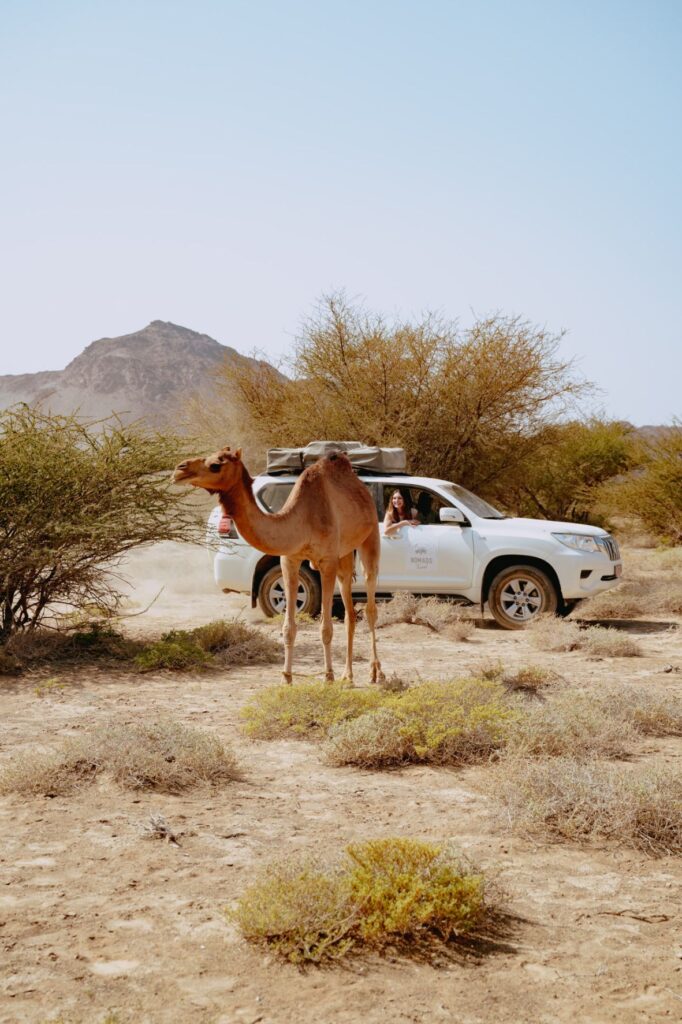
During the dry season, water becomes increasingly scarce, causing many animals to gather around the remaining waterholes. This creates excellent opportunities for wildlife viewing, especially in the early morning and late afternoon when animals are most active.
The open landscapes of northern Namibia make it possible to observe wildlife from a distance and see animals moving through their natural environment. Combined with the unique scenery and abundant wildlife, this region is a must-see stop on any Namibia road trip.
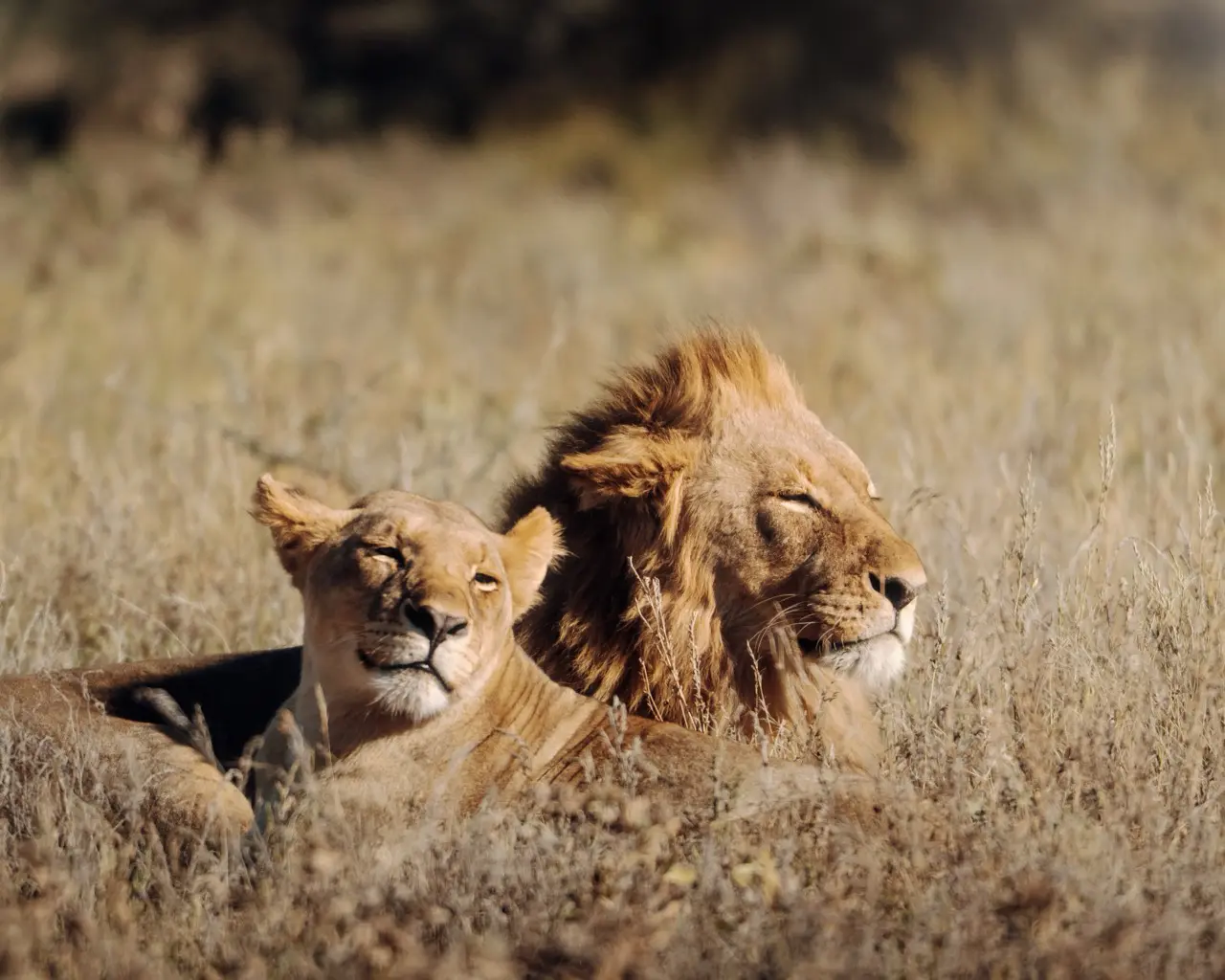
The Atlantic coast (Swakopmund, Walvis Bay, Skeleton Coast)
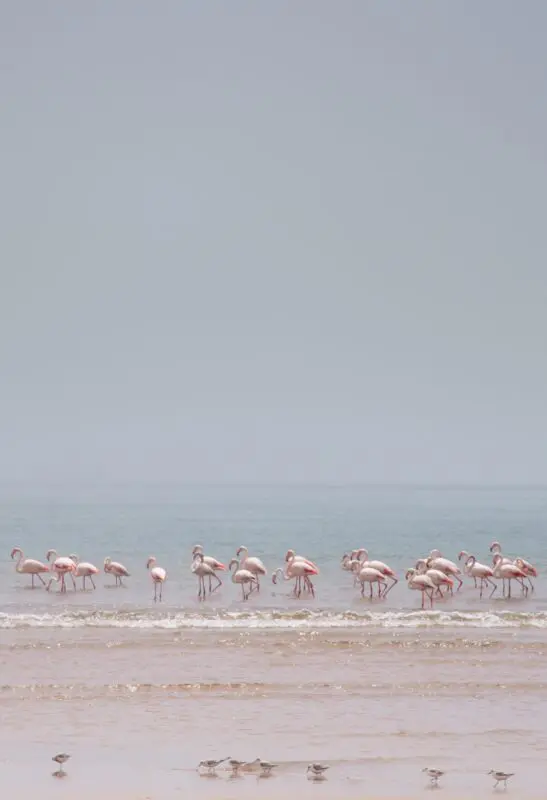
The Atlantic coast of Namibia offers a completely different climate and atmosphere compared to the rest of the country. The influence of the Atlantic Ocean brings cooler temperatures, higher humidity and the famous coastal fog that often appears in the morning around places like Swakopmund and Walvis Bay.
This contrast is especially noticeable after crossing Namibia’s dry desert landscapes. While temperatures can rise significantly inland, the coast remains much milder and sometimes surprisingly cool, even during warmer months.
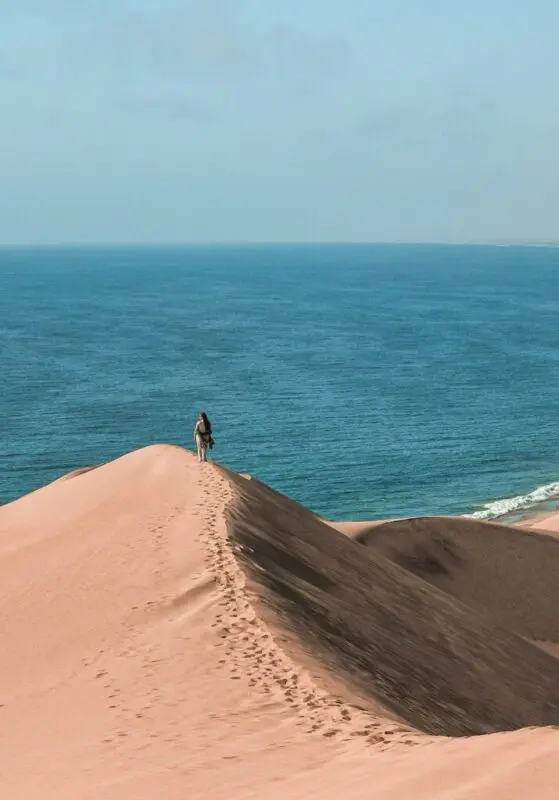
The combination of endless dunes, ocean views and soft coastal light makes this region a unique stop on any Namibia road trip. Here, the desert meets the Atlantic Ocean, creating a landscape and atmosphere unlike anywhere else in the country.
Autumn: October to December
September and October are among the most popular months for a Namibia road trip. After the long dry season, the country reveals some of its most dramatic landscapes, with clear skies, intense light and wide-open views stretching across the desert and savannah.
With vegetation still low, the scenery is easier to observe and wildlife spotting becomes more rewarding. In places like Etosha National Park, animals often gather around remaining waterholes, creating excellent opportunities for unforgettable Namibia safari experiences.
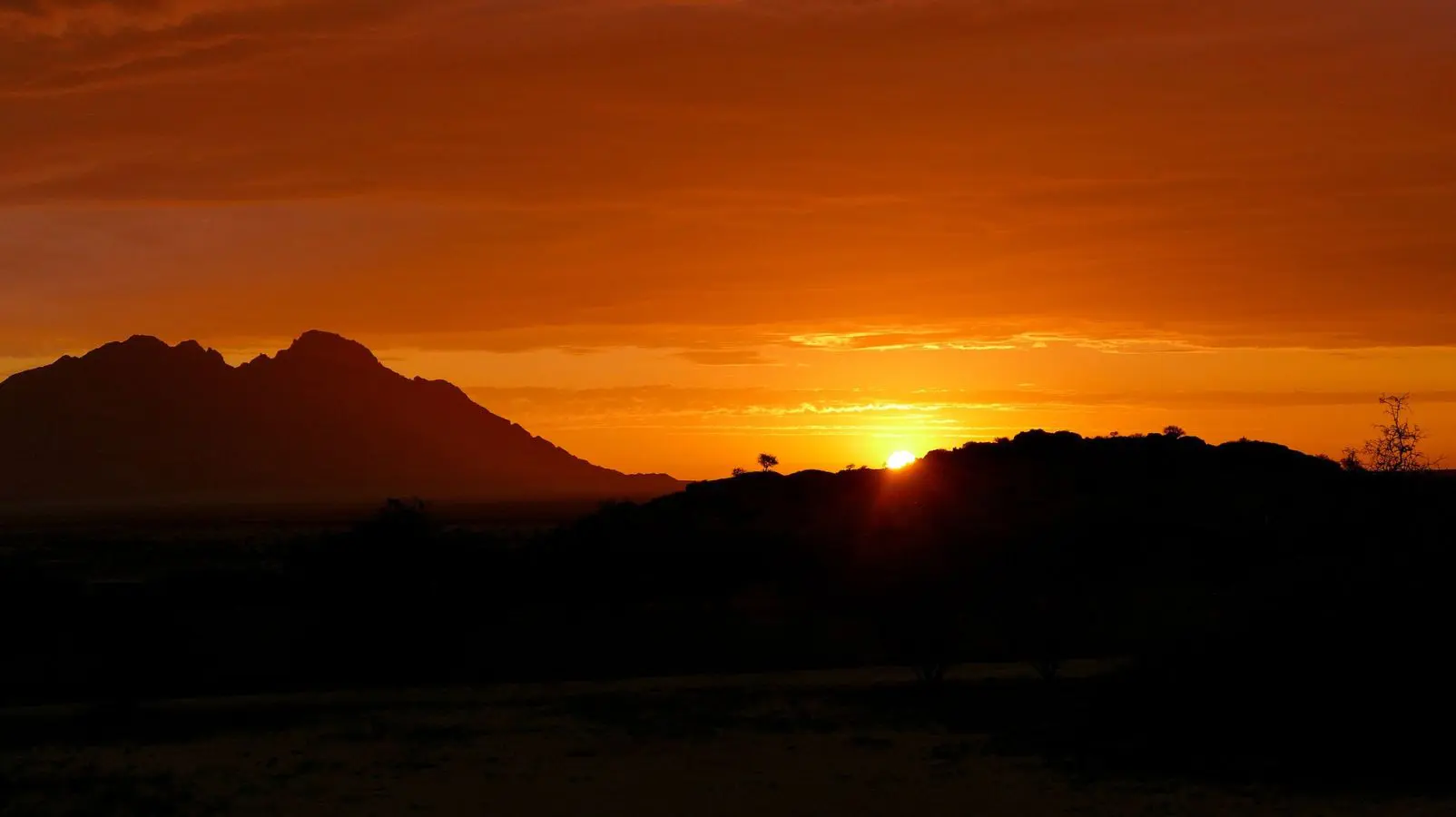
The dry conditions also mean that many roads and tracks are in good shape, making this period particularly suitable for a 4x4 adventure through Namibia. Clear skies provide spectacular sunrises and sunsets, especially in iconic places such as Sossusvlei and the Namib Desert.
As November approaches, temperatures can start rising in some regions. By planning activities earlier in the day and keeping a flexible pace, you can still fully enjoy your journey through Namibia.
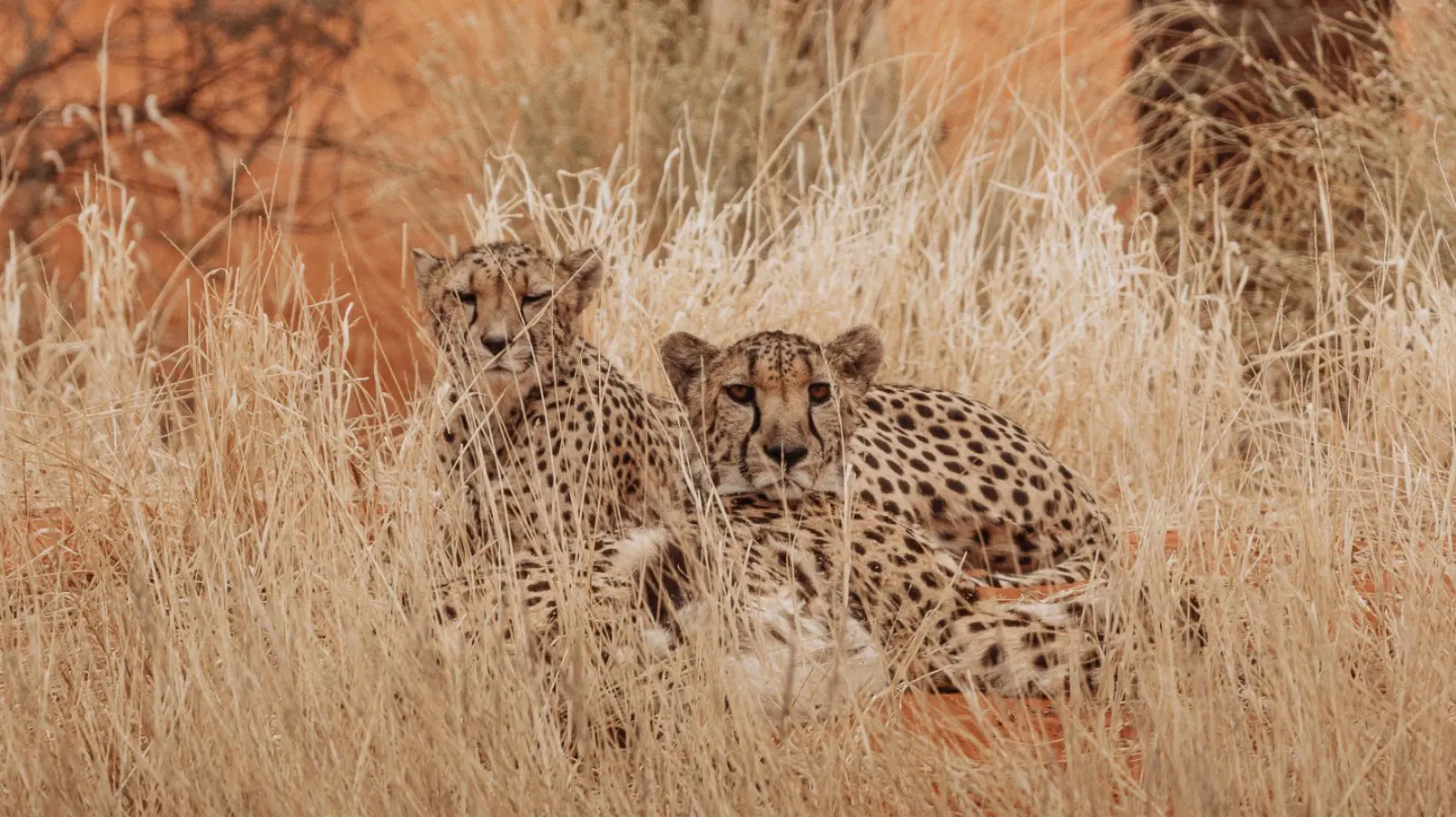
Spring: March to June
From the end of March to June, Namibia offers another excellent period for a road trip. After the rainy season, the weather gradually becomes more stable, temperatures remain comfortable and conditions are ideal for exploring the country at a relaxed pace.
During these months, Namibia can reveal a different side of its landscapes. The scenery may appear greener, with more colors and contrasts compared to the dry season. From the dunes of Sossusvlei to the open landscapes of the north, the country feels refreshed after the rains.
The milder temperatures make long drives, hikes and outdoor activities more enjoyable. You can explore at a comfortable rhythm without having to plan every activity around the hottest hours of the day.
By May and June, conditions are generally more predictable, making this period especially appealing for a comfortable road trip.

Which Travel Period Is Best for You?
Which Travel Period Is Best for You?
The best time to visit Namibia depends on the type of experience you are looking for.
☀️ September to November: ideal for wildlife and dramatic landscapes
If you want to discover a dry Namibia with wide-open landscapes and incredible light, this period is a great choice. The low vegetation makes the scenery even more impressive, while animals often gather around waterholes, creating excellent opportunities for wildlife viewing. Keep in mind that temperatures can start rising in some regions as November approaches.
🌿 March to June: comfortable temperatures and changing landscapes
This period follows the rainy season and offers milder weather conditions. The temperatures are generally more comfortable, making long drives, outdoor activities and exploration easier. The landscapes can also look more colorful and diverse after the rains.
In short: choose the period that matches your travel style.
For open desert landscapes, clear skies and unforgettable safari moments, September to November is an excellent choice. If you prefer milder temperatures, comfortable travel conditions and more relaxed days, March to June may suit you better.
Our 11-day Namibia Nomads road trip is designed around these ideal travel periods, with a route adapted to the seasonal conditions so you can experience the best of Namibia at the right time.