The team's tips
- The best times: from March to June and from October to December
- The climate in Namibia mainly alternates between a dry period and a wetter period, with different effects depending on the regions.
- The ideal time for safaris: when water becomes scarce, water points naturally attract wildlife. This is often when the sightings are the most memorable.
- Along the Atlantic coast, the air is cooler and morning fog is common, creating a striking contrast with the interior of the country.
Trip to Namibia: when to go to make the most of your vacation?
When planning your vacation in Namibia, choosing the right dates can really change the experience. Here, the weather affects not just the temperature: it influences the light, comfort on the road, the atmosphere in the desert, and even how you experience the safari.
If you want to travel in particularly pleasant conditions, two periods stand out:
- October to September
- March to June
The first highlights the landscapes after several dry months.
The second corresponds to a milder period after the summer rains.
Climate in Namibia: understanding the country in 3 zones
Before choosing your travel dates, it's helpful to keep in mind that Namibia is experienced differently in various places. During a road trip, you'll typically pass through three major regions, each with its own pace and conditions.
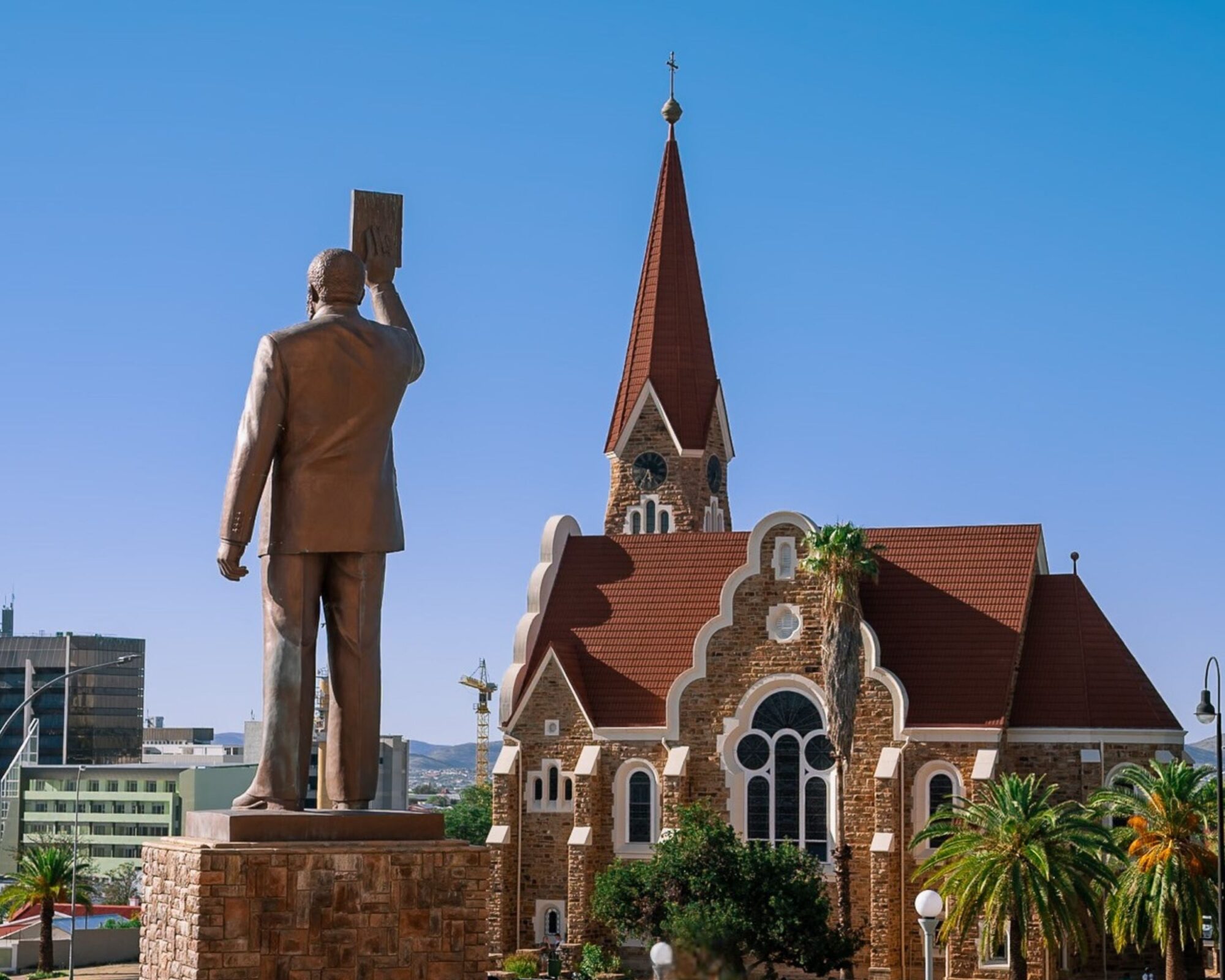
The central plateau (Windhoek and the main routes)
The central plateau often serves as the starting point and a passage between the different regions of the country. This is where the major transportation routes concentrate, connecting the desert areas, the wilder north, and the coast.
Altitude plays an important role: even when the days are warm and sunny, the evenings can be noticeably cooler. This temperature variation makes the journey pleasant, especially after several hours on the road.
It's also a region where conditions remain relatively stable for a large part of the year, making transitions between different stages of the road trip easier.
The north (Etosha and the big safaris)
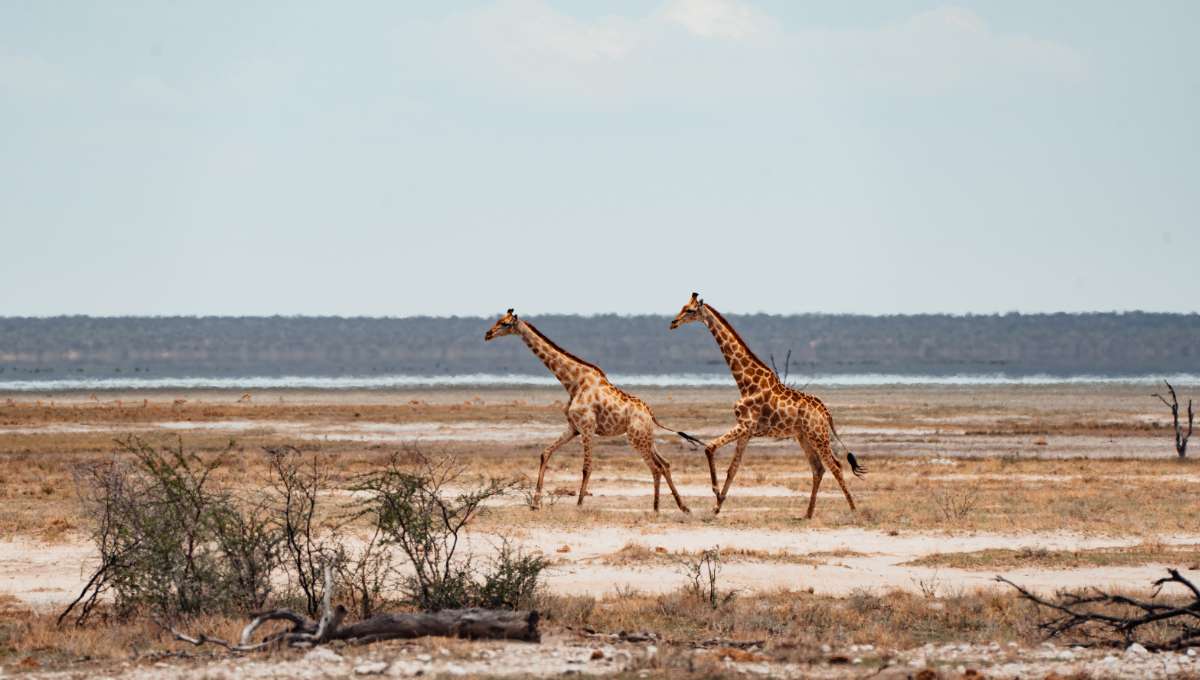
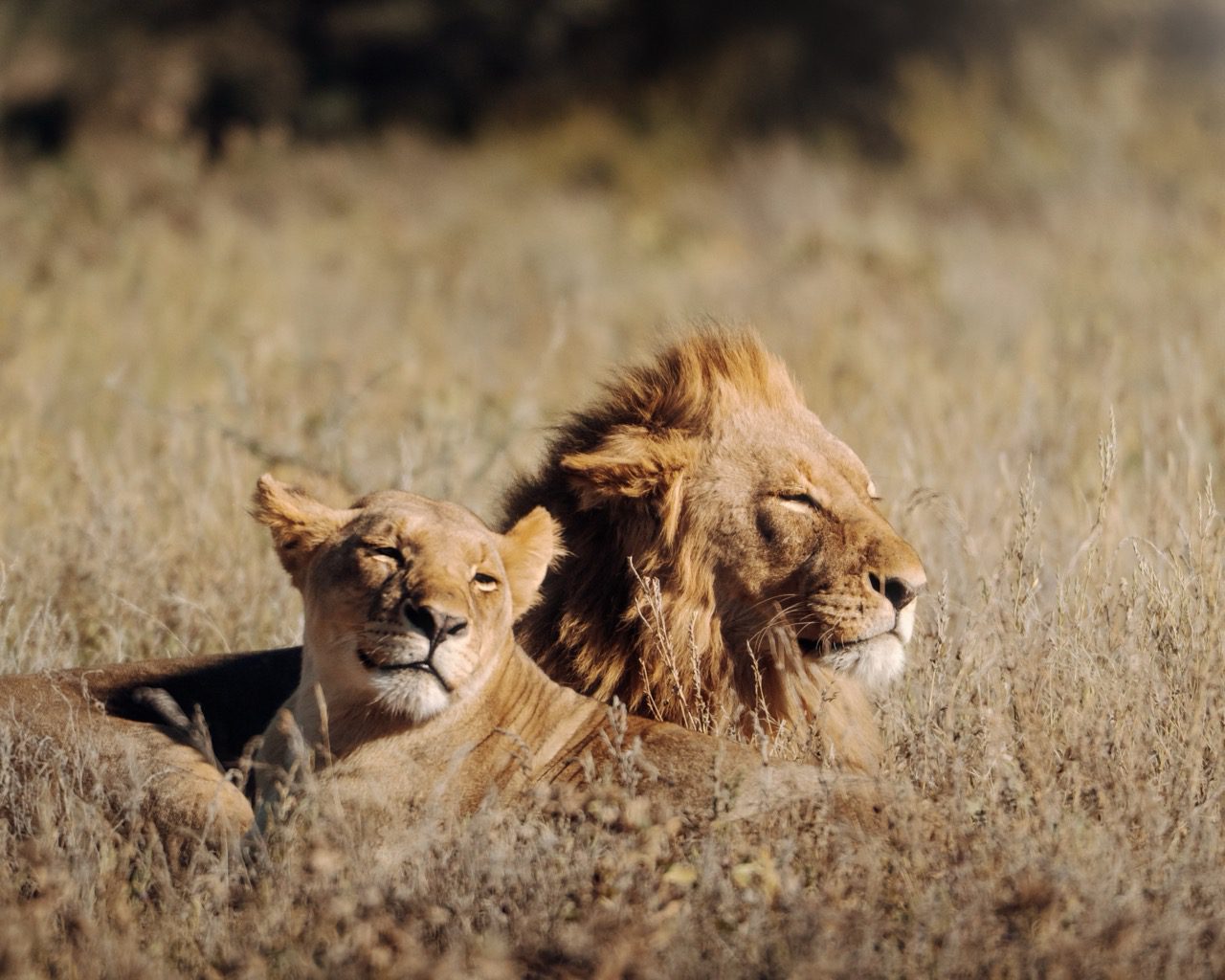
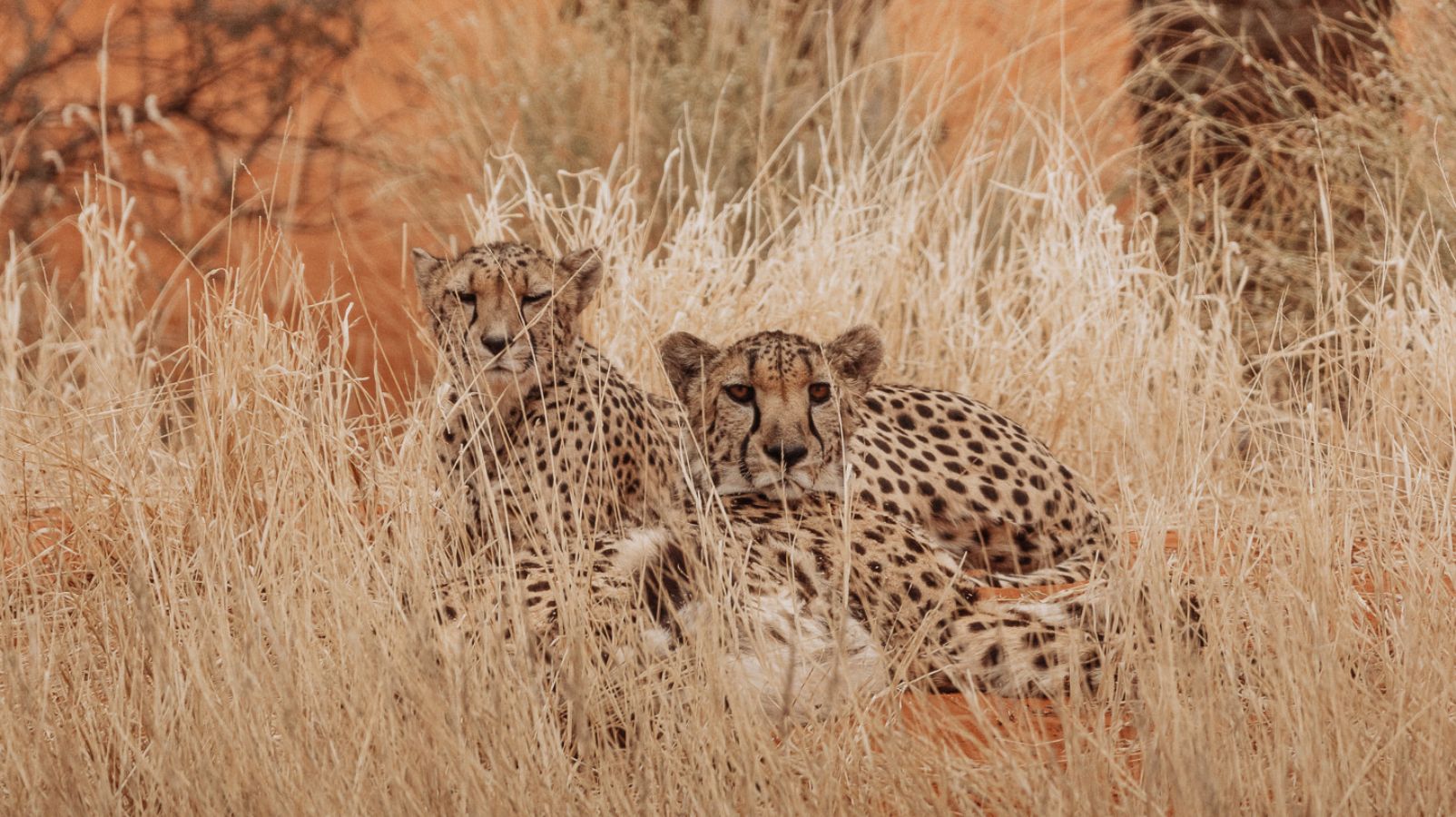
In the north, the animal aspect of the journey becomes central. The vast plains and water points shape wildlife, especially during the drier season.
When water becomes scarcer, animals tend to concentrate around areas where it is still available. This creates more regular observation opportunities, particularly early in the morning or late in the day.
The landscapes here are more open than in other regions of Africa, often allowing for long-distance views of animals in their environment.
The Atlantic coast (Swakopmund, Walvis Bay, Skeleton Coast)
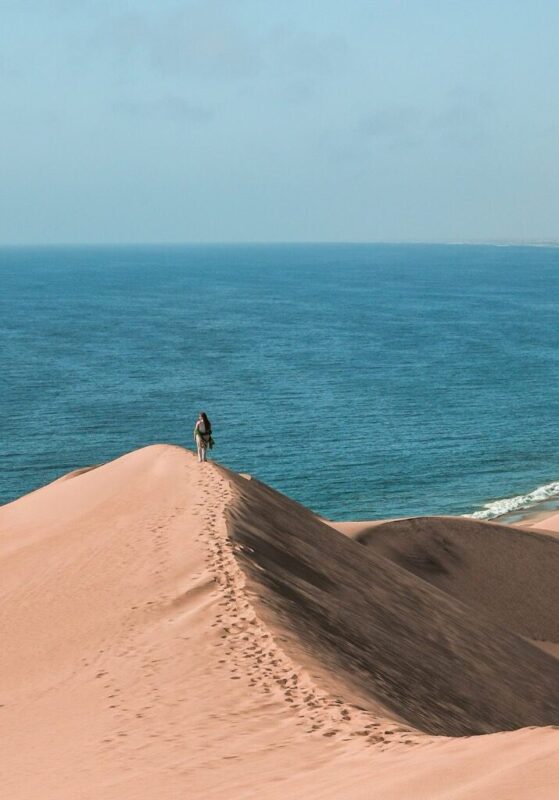
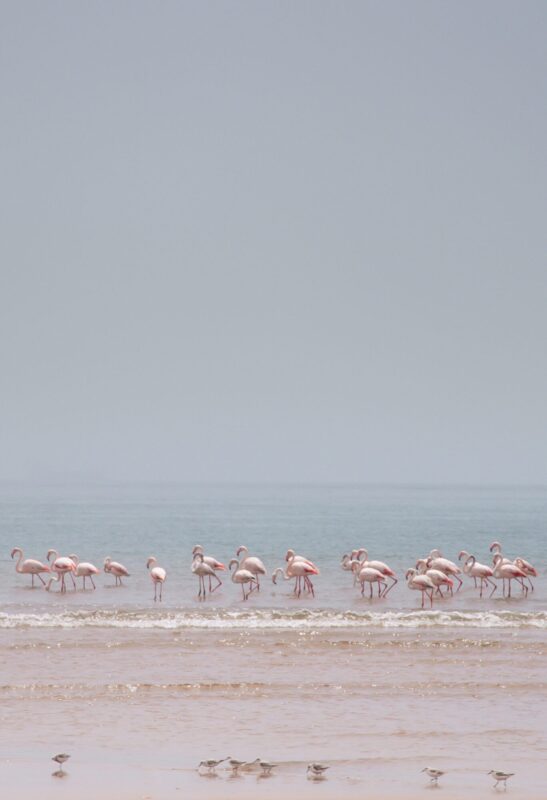
The coast offers a totally different vibe compared to the rest of the country. The influence of the Atlantic Ocean brings cooler temperatures and higher humidity, often visible as morning mist.
This contrast is striking after passing through very dry desert areas. The atmosphere here is more temperate, sometimes almost cool, even when the interior of the country experiences high temperatures.
This region provides a refreshing change in the itinerary, with softer light and an environment where desert and ocean meet.
October to December
After several dry months, this period offers very clear landscapes and remarkable light. The dunes and wide open spaces take on a special depth, especially in the early hours of the day.
With the vegetation still low after the long dry season, the panoramas are open and the natural scenes more visible. This also enhances wildlife observation, as water points remain important transit spots.
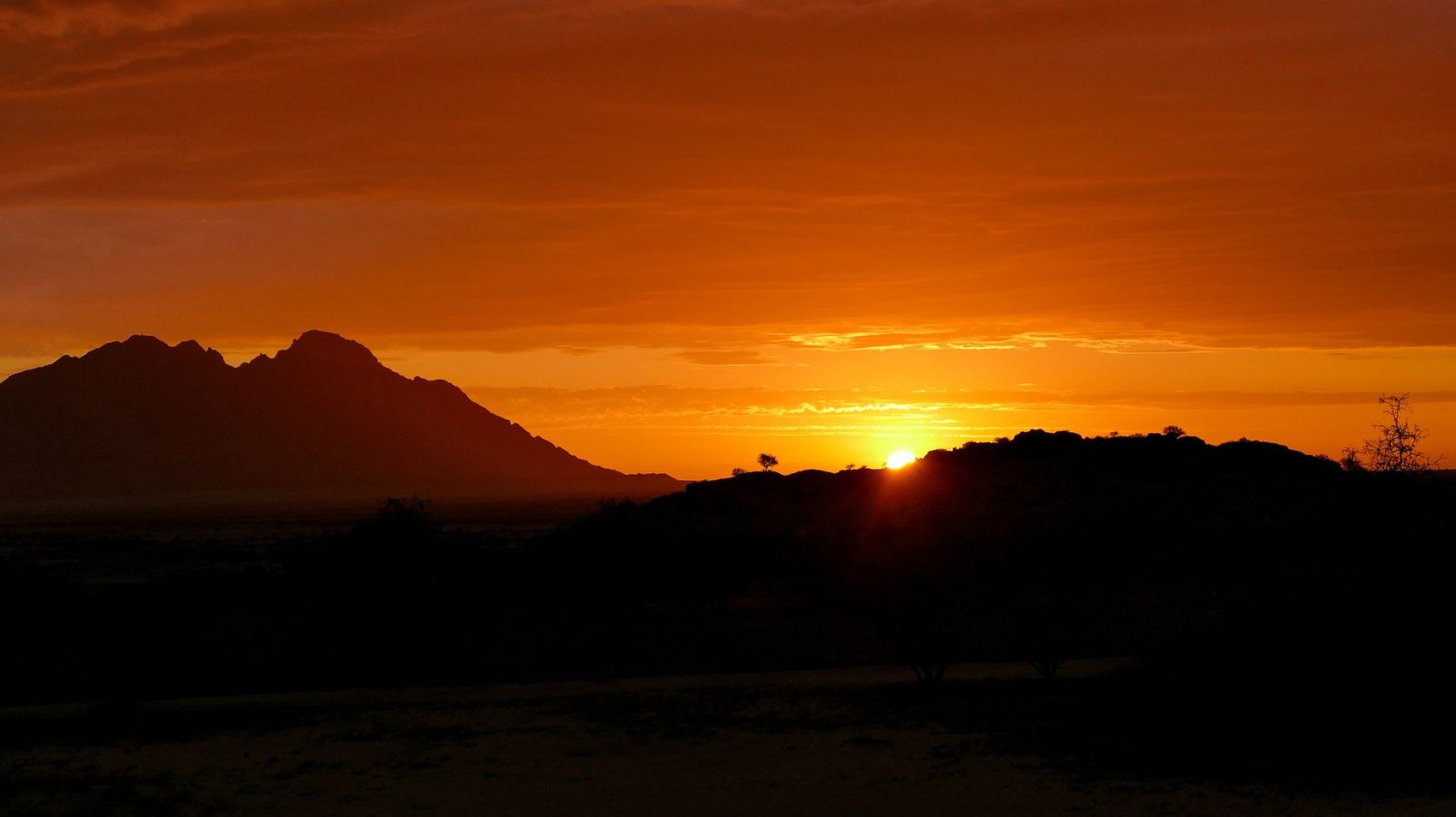
The skies are often clear, which particularly highlights sunrises and sunsets. The trails are generally in good condition after the months without rain, making travel easier.
As November approaches, the heat can become more pronounced in certain regions. Adjusting the pace of the days simply allows you to continue enjoying the trip to the fullest.
March to June
On the contrary, between the end of March and the end of June, the country gradually emerges from the rainy season. The climate becomes more stable and generally milder, making travel and activities very enjoyable.
After the wetter months, the landscapes often showcase more shades. The atmosphere is different from that of the end of the dry season, sometimes more contrasted.
Moderate temperatures make sightseeing, hiking, and long days of exploration easier. It’s a time to enjoy the journey without having to plan your days around the heat.
As we move into May and June, the conditions become more consistent, enhancing the overall comfort of the road trip.
How to choose?
The choice mainly depends on the experience you're looking for.
From late September to the end of November is ideal if you want to experience a very dry Namibia, with open landscapes and particularly beautiful light. The low vegetation highlights the reliefs, and the water points play an important role for wildlife, which can provide great observation scenes. However, as you move towards November, some regions may become warmer.
From late March to the end of June, on the other hand, corresponds to a milder period that follows the rainy season. Temperatures are generally more pleasant, making travel and activities more comfortable. The landscapes can also offer more nuances.
In summary, if you prefer very open landscapes and a desert atmosphere, the period from late September to the end of November is particularly suitable. If you're primarily looking for a mild climate and daily comfort, late March to late June is often more enjoyable. Our trip Namibia Nomads for 11 days has been designed to accompany travelers during these two periods, offering an itinerary suited to the climate and allowing them to experience an optimal adventure.